
REBT is more philosophical than CBT
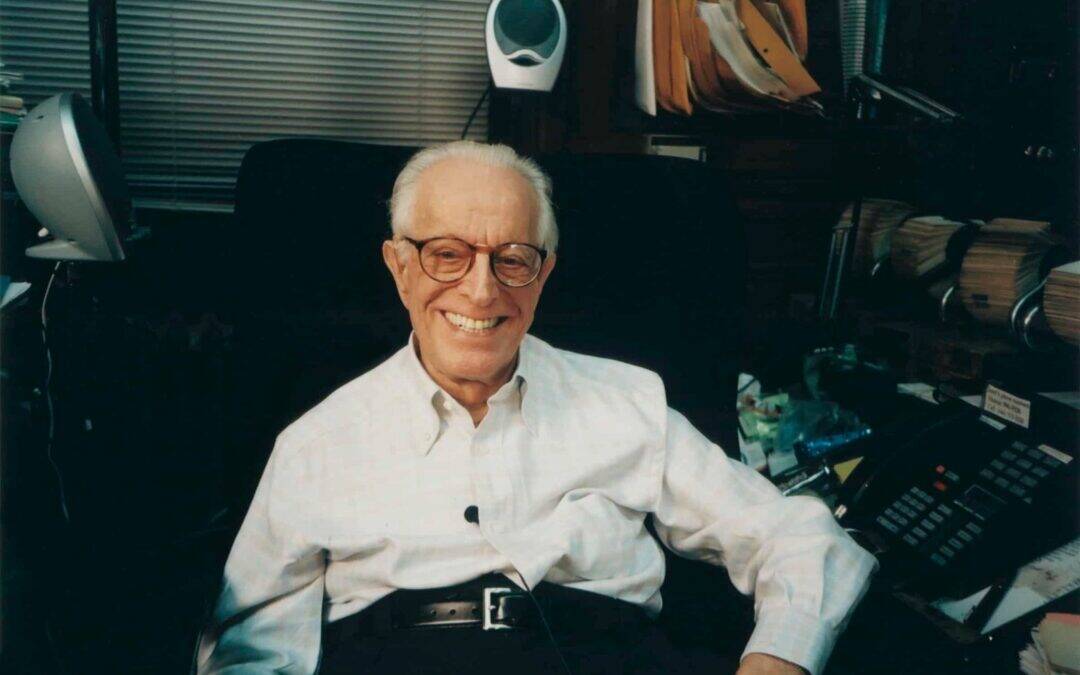
Dr Albert Ellis New York City April 2007
REBT believes that emotions and behaviour are a consequence of thought and that emotional problems arise from unrealistic thinking. It would therefore follow that by monitoring and identifying activating events, dysfunctional beliefs, consequences and exposing the link to the client by means of the ABC form will give the client a greater insight into the perpetuation of his/her difficulties.
The essence of science is being realistic, logical, open-minded and prepared to try different things.
 Examples of Information Processing Errors from Rational Emotive Behaviour Therapy.
Selective Abstraction: Client picks one detail and perceives the whole situation
Arbitrary Inference: Client perceives situation without sufficient evidence.
Overgeneralisation: Client draws conclusion from one situation, or a few, and applies it to all.
Magnification and minimisation: Client makes small negative aspect outweigh larger positive one.
Personalisation: Client identifies with erroneous situations.
Three dysfunctional Core Beliefs:
“I must do well and be approved by significant others, if not I can’t stand it and I am a terrible person when I am not loved and do not do well.” This belief often leads to anxiety, depression, shame, and guilt.
“You must treat me well and if you don’t I can’t stand it and you are terrible person and should be punished.” This belief is associated with feelings of anger, passive aggressiveness, and acts of violence.
“Life conditions under which I live must be the way I want them to be, if not I can’t stand it; poor me.” This belief is associated with feelings of hurt, procrastination and addictive behaviour.
Most forms of human psychological problems are a form of demandingness with inaccurate definitions!
Sadness, annoyance and concern are normal liveable, overcome able emotions. Depression, anger and anxiety are debilitating.
If you were to demand to have £10 in your pocket, then checked your pocket to find that you only had £5 you may well feel anxious, if, however you were to prefer to have £10 in your pocket you will probably feel concerned, sad, or annoyed and then move towards earning £20.
One could say that since there are 7 billion, fallible mistake making human beings on planet earth, bad things are likely to happen. To then say that they should not, ought not, must not happen, moves annoyance, sadness, concern into anger, depression and anxiety (‘awfulness’). We create our own problems by ‘shoulding’ on ourselves and others. Our slogan is “I will not should on myself today!” “Cherchez les shoulds” as Dr Ellis would say.
Demands
A highly intelligent friend of mine was raging one day about the fact he had attended hospital as an outpatient and the nurse taking blood from him had missed the vein in his arm and consequently made it black and blue. This procedure had taken place 2 hours previously, he was now still raging! I confronted his non-self helping demand and said “You NOW are saying that at the nurse should not have done what she has done”! He erupted again by saying she shouldn’t have. “But she has” I said.
“Oh!” he exclaimed, “I am trying to control the uncontrollable!” “What did you want from this situation” I asked? Well, he sheepishly responded that since it was a blood pressure related procedure it might have been better to show her a better way of taking blood!
Inaccurate Definitions
Albert Ellis on his 90th birthday told a reporter that the greatest psychological sickness known to mankind was self-esteem as it is conditional i.e. dependent on what we should say, should look like, should behave, should come across. “Should hood equals shithood so therefore self-esteem is no more than perfume for shithood”.
A woman came into the room and said to Ellis that he looked good, and you look ok he replied. How can you speak to her like that asked the reporter. Look, replied one of the greatest psychologists ever, if she says to me tomorrow that I look bad and I buy into it then I’m bad and it’s back to shithood for me. Sense of self is now dependent on what others say. When we put others on a pedestal we let them define us!
“We are and probably always will be mistake making as human beings but in order to ignore that fact we create fiction, myths, heroes and heroines”.
Ellis tells the story of a woman who came to see him. I’ve fallen out with a friend and now think I’m a bad person. Ellis immediately interrupted: are you telling me that you have never done any good in your life? I‘ve done lots of good things she replied. So that makes you a person who does good and bad things. The only way you could accurately define yourself as good or bad is when you are dead and that you have accurate recollection of every good, bad and indifferent thing you have ever done, then you could draw subtotals and say I’ve done 6,999 good things and 7,000 bad things, so that does make me a bad person, until that day ever comes, it may be more useful to accept the fact that you’re a fallible fucked up human being who does a variety of good, bad and indifferent things!
Ellis, himself Jew, said even Adolf Hitler was not totally bad as he loved his dog and his mistress loved him, yet mother Theresa of Calcutta went to Congress to testify against birth control thereby showing fascistic tendencies! There is good in the worst of us and bad in the best of us, to borrow an old Scottish saying.
Unconditional self acceptance (USA) is central to REBT. Person Centred Therapists give the client unconditional other acceptance (UOA) in the hope the client will do this for self, REBT teaches it! As stated before, REBT is more philosophical than other therapies.
We as humans can think about our thinking and then about our thinking, yet we suffer post traumatic stress disorder (PTSD) Animals it would seem, cannot think about their thinking but do not suffer PTSD. It would therefore follow that we can think wrongly about our thinking and apply logic where none exists.
Since all humans are fallible and mistake making it would make sense to accept yourself, other people and the world, then work to change the things you dislike rather than ‘shoulding’ on self or others. With USA, UOA and UWA (world acceptance) you can into any situation protecting yourself then, define the situation without anxiety, anger or depression.
The person protects self rather than hoping external situations will REBT encourages in vivo de-sensitization, role modelling, shame attacking exercises, rational emotive imagery, disputing, of irrational beliefs and hypnotherapy.
Then by examining the evidence and the justification of the negative automatic thoughts and beliefs this will begin to reduce the intensity by which they are held when these self defeating thoughts are challenged and disputed more realistic ones can be introduced in their place.
It is important to note that REBT holds that positive, pollyannish thinking can be destructive as it can lead to disappointment when goals are not met, so that rational thinking is the key to health. REBT does not believe that past traumatic events contribute towards the client’s current difficulty.